How do you say Mt. Fuji in Japanese? Mt. Fuji in Japanese is 富士山 (ふじさん, Fujisan). 富士 (ふじ) is the name, and 山 (さん) means "mountain," so 富士山 is literally "Mount Fuji."
That last part trips up almost everyone, so let's start there.
Mount Fuji in Japanese: the さん is a mountain, not a title
The さん in ふじさん is the kanji 山, "mountain," read with its Chinese-style reading (on'yomi) さん. It is not the polite title さん you put after names, like 田中さん (Tanaka-san).
They sound identical, which is why many people assume Japanese speakers politely call the mountain "Mr. Fuji." It's a cute idea, but it's a pun, not the real reason. The honorific さん is written in hiragana and has no kanji. The さん in 富士山 is written 山.
If you want the full story on name titles, see Japanese honorifics.
| Part | Kanji | Reading | Meaning |
|---|---|---|---|
| Name | 富士 | ふじ | Fuji (the name) |
| Mountain | 山 | さん | mountain |
| Whole | 富士山 | ふじさん | Mount Fuji |
Fujisan vs Fujiyama
In Japan, the mountain is ふじさん. "Fujiyama" reads 山 as やま instead, and it's rarely used in Japan. It spread mostly through foreign books, songs and souvenirs. If you say ふじやま to a Japanese speaker, they'll understand you, but it sounds like a tourist word.
You'll also see just 富士 (ふじ) in poetry, art titles and company names.
Fuji meaning: the kanji 富 and 士
The kanji 富士 mean "wealth" and "samurai, man of standing," but the name probably doesn't mean "rich samurai." The characters are generally seen as chosen to fit the sound ふじ.
富: wealth, abundant
| Reading | Example | Meaning |
|---|---|---|
| ふ (on'yomi, used here) | 富士山 (ふじさん) | Mount Fuji |
| ふ | 豊富 (ほうふ) | plentiful, abundant |
| とみ (kun'yomi) | 富 (とみ) | wealth, fortune |
| と (in a place name) | 富山 (とやま) | Toyama |
富山 is a nice trick: it shares 富 and 山 with 富士山, but it's read とやま, with 富 as と and 山 as やま.
士: samurai, man of standing
士 is normally read し. In 富士 it becomes じ.
| Word | Reading | Meaning |
|---|---|---|
| 武士 | ぶし | samurai, warrior |
| 紳士 | しんし | gentleman |
| 弁護士 | べんごし | lawyer |
You'll see 士 at the end of many job titles for licensed professionals, like 弁護士.
Where does the name ふじ come from?
Nobody knows for sure. Older texts wrote the name with other kanji, and people have proposed meanings such as "without equal" or "never-ending," and an origin in the Ainu language has also been suggested. None of these is proven, so treat any confident "Fuji means X" claim with caution.
One more thing: ふじ is also a normal word, 藤 (ふじ), meaning wisteria. That's a different kanji and has nothing to do with the mountain, but it's why you see ふじ in many family names, like 藤田 (ふじた).
How to pronounce 富士山
ふじさん has four beats: ふ・じ・さ・ん. Japanese counts rhythm in beats (called morae), and ん is a beat of its own.
- ふ is softer than English "foo." Blow gently through rounded lips without touching your teeth, so it lands somewhere between "f" and "h."
- じ sounds like "jee."
- さ is "sah."
- ん is a short "n," held for one full beat.
There are no long vowels here, so keep every beat short and even: fu-ji-sa-n. Don't stress "SAN" the way English does in "Fuji-SAN." If any of these kana are new, the hiragana guide covers them all.
Facts about Mt. Fuji in Japanese
At 3,776 meters, 富士山 is Japan's highest mountain. A few well-known facts, with the Japanese you'd use for them:
- 日本で一番 高い 山 (にほんで いちばん たかい やま): Japan's highest mountain.
- 活火山 (かっかざん): an active volcano. Its last eruption was in 1707.
- 世界遺産 (せかいいさん): World Heritage site. Fuji was listed by UNESCO in 2013 as a cultural site, recognized for its role in Japanese religion and art, not as a natural site.
- It sits on the border of 静岡県 (しずおかけん, Shizuoka Prefecture) and 山梨県 (やまなしけん, Yamanashi Prefecture).
山: さん or やま?
山 is read さん after most mountain names, but やま in everyday words.
| Word | Reading | Meaning |
|---|---|---|
| 山 | やま | mountain (on its own) |
| 山登り | やまのぼり | mountain climbing, hiking |
| 山道 | やまみち | mountain path |
| 富士山 | ふじさん | Mount Fuji |
| 高尾山 | たかおさん | Mount Takao, near Tokyo |
| 阿蘇山 | あそさん | Mount Aso, in Kyushu |
Some mountain names use やま instead, such as 浅間山 (あさまやま), so you learn each name's reading individually. For Fuji, it's always ふじさん.
Example sentences
- いつか 富士山に 登りたいです。 I want to climb Mt. Fuji someday.
- 今日は 富士山が よく 見えますね。 You can see Mt. Fuji really well today, can't you?
- 富士山は 静岡県と 山梨県の 間に あります。 Mt. Fuji is between Shizuoka and Yamanashi Prefectures.
- 新幹線から 富士山を 見ました。 I saw Mt. Fuji from the bullet train.
- 週末は 山登りに 行きます。 I'm going hiking in the mountains this weekend.
All of these are polite ~ます/です Japanese, safe with anyone.
Common mistakes
- Saying "Mt. Fujisan" or "Mount Fujiyama." Both double the word "mountain." Say "Mount Fuji" in English, or 富士山 in Japanese.
- Thinking さん is an honorific. It's 山, "mountain."
- Writing 富士さん. That really would mean "Mr. Fuji." Write 富士山.
- Reading 山 as やま every time. In 富士山 it's さん.
- Stretching the vowels. ふじさん has no long vowels. It's four short, even beats.
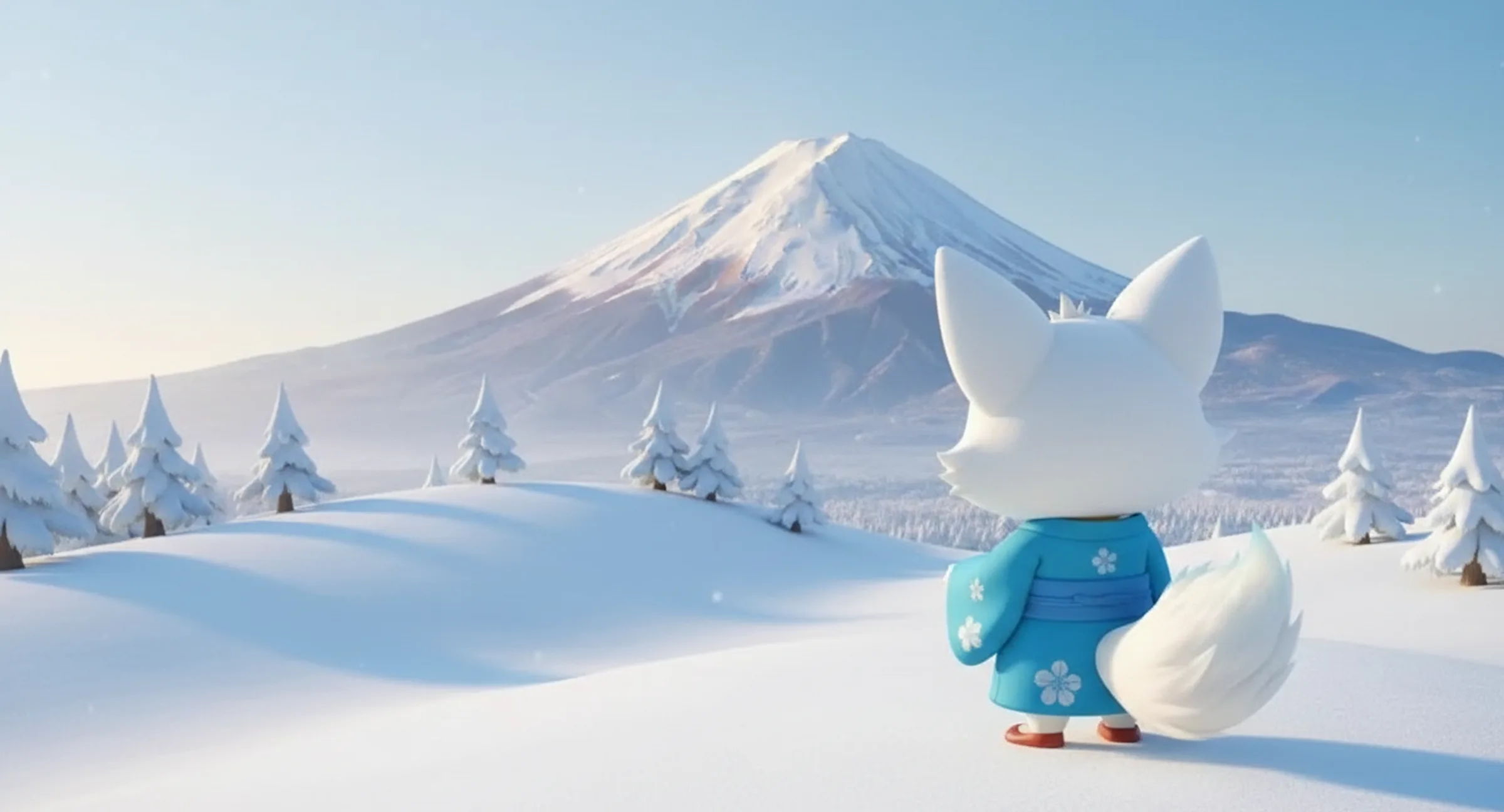
Yuki says: When you see snow on 富士山's peak, you can say 雪が きれい! (The snow is beautiful!). Two of my favorite things in one sentence: snow, and a very tall place for it to sit.
If you visit
The official climbing season is in summer, usually July to early September, and the rest of the year most people enjoy 富士山 from a distance, from lakes, trains or city viewpoints on clear winter days.
Keep going
- Kanji guide: how on'yomi and kun'yomi work, so さん vs やま makes sense.
- Japanese alphabet: how hiragana, katakana and kanji fit together in a word like 富士山.
- Snow in Japanese: 雪 (ゆき), for Fuji's famous white cap.