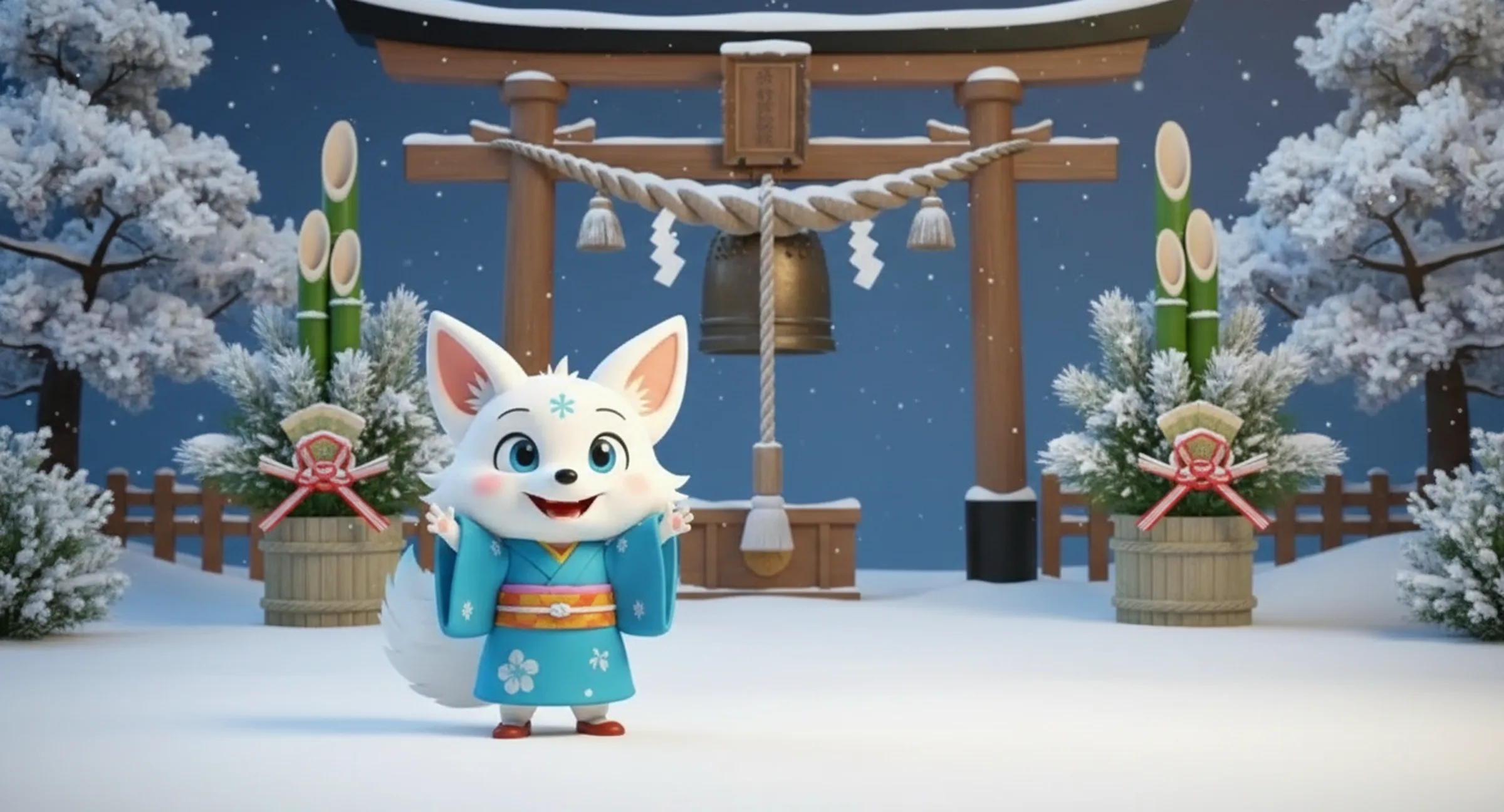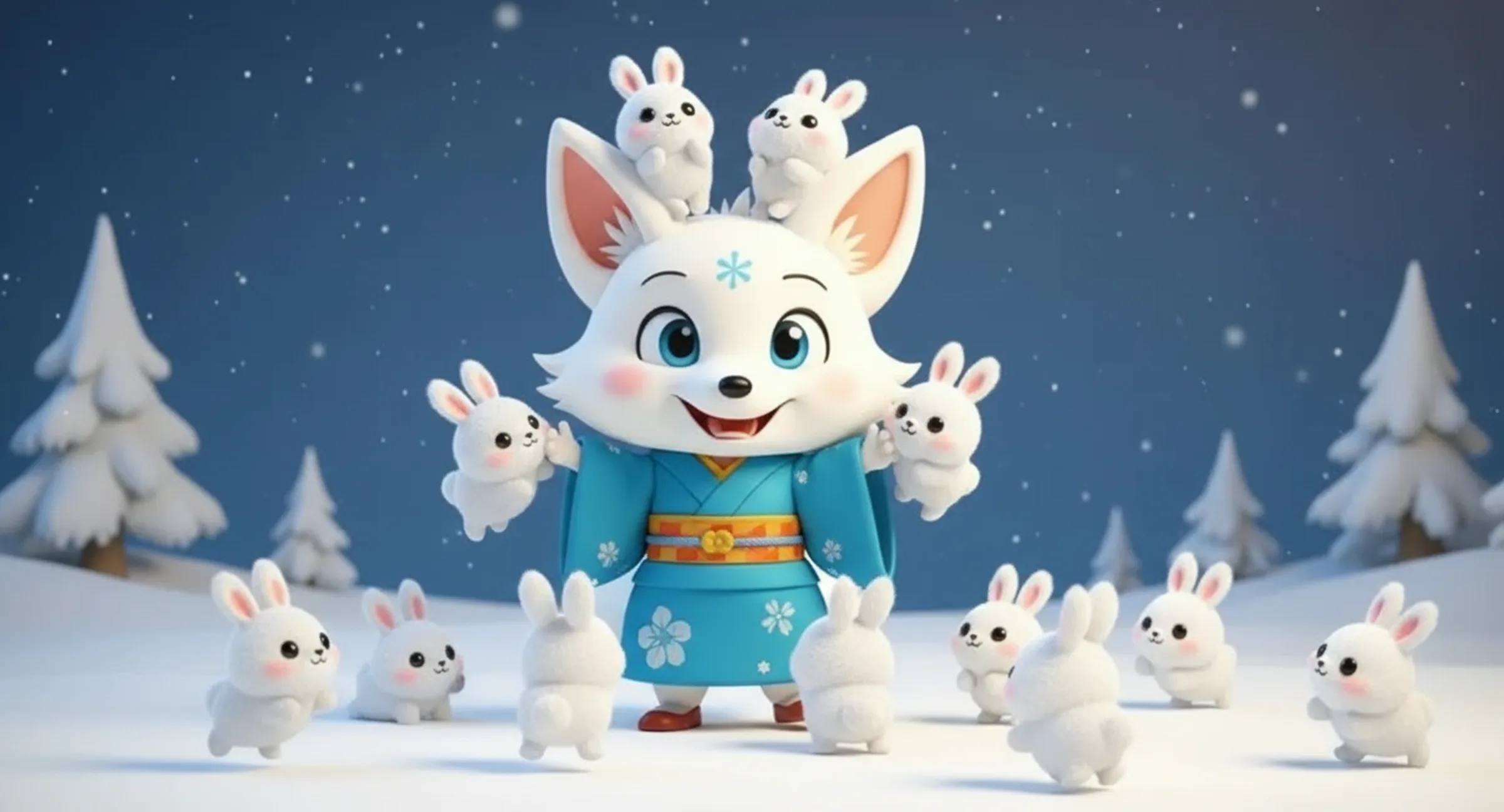
What does kawaii mean? Kawaii, written かわいい (or 可愛い, read かわいい), means "cute," "adorable" or "lovable" in Japanese. It's one of the most common words you'll hear in Japan, used for kittens, babies, stationery, outfits and anything that makes you want to say "aww."
It's an い-adjective, so it works just like "cute" in English: この ねこ、かわいい! means "This cat is so cute!"
Cute in Japanese: forms of かわいい
The everyday way to say cute in Japanese is かわいい, and it changes its ending for negative and past like any い-adjective.
| Form | Japanese | Meaning | Politeness and nuance |
|---|---|---|---|
| Plain | かわいい | cute | Casual, with friends |
| Polite | かわいいです | is cute | Safe with anyone |
| Negative | かわいくない | not cute | Casual; かわいくないです is polite |
| Past | かわいかった | was cute | Casual; かわいかったです is polite |
| Very cute | とても かわいい / すごく かわいい | very cute | Neutral / casual |
| Slangy | めっちゃ かわいい | super cute | Casual, young, originally Kansai |
| Refined | かわいらしい | lovely, sweet | Softer, slightly more grown-up |
| Verb | かわいがる | to dote on, to adore | Used for pets, kids, juniors |
Real life vs anime
In real life, かわいい is everywhere and very casual. You'll hear groups of friends say a long, rising かわいい〜! at a shop window. It's said by people of all ages and genders, for pets, food, socks, a tiny teacup or a friend's new haircut.
In anime, かわいい often comes with a big reaction and sparkly eyes, and characters use it to tease: a flustered character might shout かわいくない! ("I'm not cute!"). That's real Japanese, just turned up to eleven.
Kawaii culture in a sentence or two
Kawaii culture is Japan's love of cute design, seen in mascots, character goods and fashion. Brands like Hello Kitty and the colorful street fashion of Harajuku in Tokyo made the word famous worldwide, and many towns and companies have their own cute mascot character.
The big trap: かわいそう
かわいそう means "pitiful" or "poor thing," not "looks cute." It expresses sympathy.
- かわいい = cute
- かわいそう = poor thing, I feel sorry for it
Say かわいそう about a soaked puppy and you're right. Say it about your friend's baby and you've just called the baby pitiful.
Other words for cute
Japanese has a few close cousins of かわいい, each with its own flavor.
| Word | Reading | Meaning | Notes |
|---|---|---|---|
| 愛らしい | あいらしい | charming, lovely | A bit literary |
| キモかわいい | きもかわいい | creepy-cute | Slang: weird but lovable, like an odd mascot |
| ブサかわいい | ぶさかわいい | ugly-cute | Slang, often for pets like pugs |
| キュート | きゅーと | cute | English loanword, used in ads and fashion |
| ちっちゃくて かわいい | ちっちゃくて かわいい | small and cute | Casual, very common |
When NOT to use かわいい
かわいい is friendly, but it's not right for every situation.
- Your boss or a client's work. Calling a senior person cute can sound like you're talking down to them.
- Formal writing. In a business email, choose すてき (lovely) or すばらしい (wonderful).
- Men who want to sound cool. Many men are happy to hear it, but かっこいい (cool) is the safer compliment.
- Strangers' appearance. Commenting on a stranger's looks can feel too personal, just like in English.
Example sentences
- この ぼうし、かわいいね。 This hat is cute, isn't it?
- その かばん、とても かわいいですね。 That bag is very cute. (polite)
- 子どもの ころの しゃしんは かわいかった。 My childhood photos were cute.
- 雨の中で 子犬が ないていて、かわいそうだった。 A puppy was crying in the rain. I felt so sorry for it.
- この キャラ、ちょっと キモかわいい。 This character is kind of creepy-cute.
Common mistakes
- Saying かわいいだ. い-adjectives don't take だ. Say かわいい (casual) or かわいいです (polite).
- Making the negative with じゃない. It's かわいくない, not かわいいじゃない.
- Mixing it up with こわい. こわい (kowai) means scary. Hold the long い in かわいい (kawaii) and keep the わ clear.
- Using かわいそう for cute. See the trap above.
Yuki says: when you want to say something is cute, just say かわいい and mean it. Japanese friends say it about tiny things all day long, so you'll never run out of chances to practice.
Related words
- Beautiful in Japanese: きれい, 美しい and すてき for when cute isn't quite right.
- Sugoi meaning: すごい, the other reaction word you'll hear constantly.
- Cat in Japanese: the most かわいい animal word, with にゃんこ and 子猫.
Keep going
Kawaii is a perfect first adjective because it shows up in real life, manga and anime alike. For more words like it, browse Japanese slang, and if you can't read かわいい without the romaji yet, start with the free hiragana quiz. The full roadmap for learning Japanese shows what comes after that.